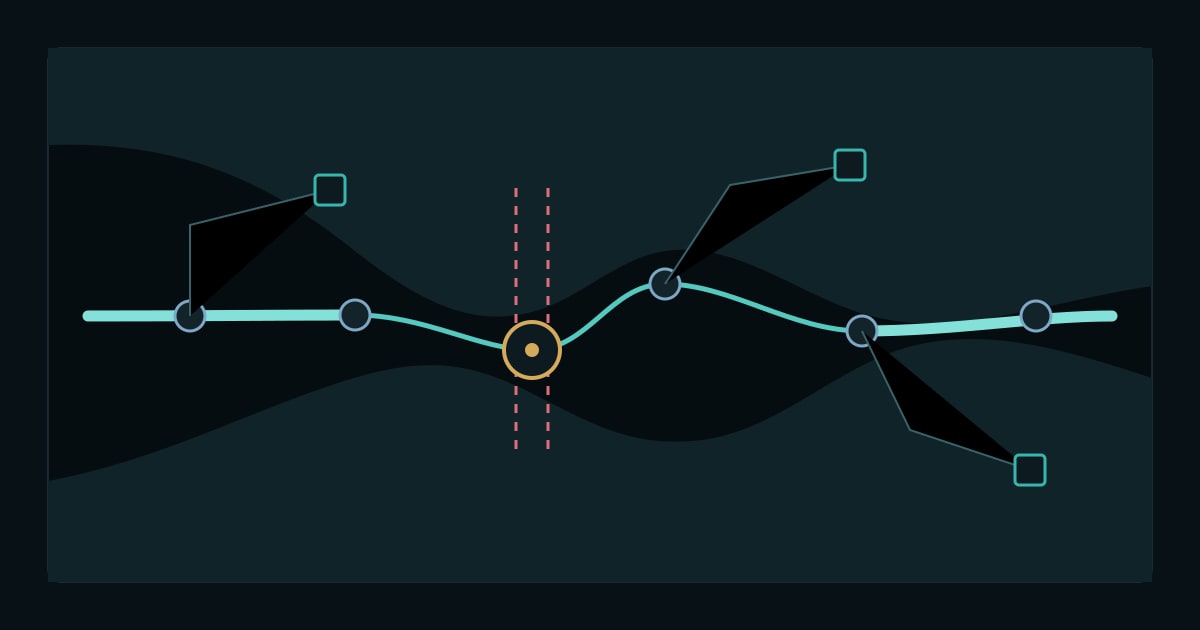
From chokepoint event to market impact
A disruption headline is the start of the analysis. The useful work is tracing affected flows, alternatives, timing, and benchmark exposure.
A route-disruption headline supplies only the starting fact. The same chokepoint can constrain one flow and leave another largely unaffected. A commodity conclusion has to pass through the physical system before it reaches a price proxy.
1. Define the event
Record what changed, when it changed, and who reported it. Closure, delay, draft restriction, insurance repricing, and heightened risk are different events. They should not share one severity label without qualification.
2. Identify exposed flows
Focus on the commodities, vessel classes, origins, destinations, and contract windows that depend on the route. Total global trade is too broad to answer that question. A strategically important route may still leave near-term deliverable supply for a specific benchmark unaffected.
3. Test alternatives
An alternative route consumes capacity, time, and money. Check distance, vessel suitability, port constraints, inventory buffers, processing compatibility, and the time required to switch. Record the extra cost and delay instead of treating route availability as proof of an equivalent substitute.
The U.S. Energy Information Administration’s world oil transit chokepoints analysis documents why route alternatives can add distance, cost, and delay.
4. Map the transmission channel
CommodityNode separates several channels:
- physical availability
- freight and insurance
- regional basis
- inventory draw
- substitution
- policy response
- expectations and positioning
Several can operate at once. The interface should show which channel supports each implication instead of compressing them into one score.
5. Choose the right market proxy
Ticker visibility can mislead. A regional differential, freight assessment, producer equity, currency, or downstream margin may reflect the event before a broad futures benchmark does.
The final output is a path with named assumptions and sources. It can be updated when the event changes, and challenged at the exact step where the evidence is weak. The relationship graph method explains how CommodityNode labels each step.
Frequently Asked Questions
Does a chokepoint disruption always raise the benchmark price?
No. The effect depends on the exposed flow, inventories, alternatives, contract timing, and the benchmark’s delivery geography. Freight or a regional basis can move while a broad benchmark changes little.
What is the first signal to monitor?
Start with the physical constraint and the market instrument closest to it. That may be vessel delays, freight, insurance, a regional differential, or inventory rather than the most visible futures contract.
When should the impact path be revised?
Revise it when the event status, affected volume, route availability, timing, or source evidence changes. Keep the earlier version so readers can distinguish new facts from a changed interpretation.
